

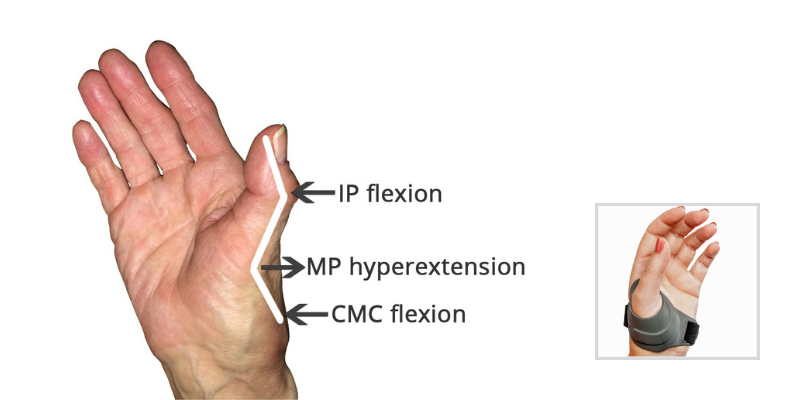
Thumb Pain – 1st CMC Arthritis
Thumb Pain – 1st CMC Arthritis
1st CMC (Carpometacarpal) arthritis is a common condition affecting the base of the thumb, where the thumb meets the wrist. It occurs when the cartilage at this joint wears down, leading to pain, stiffness, and reduced thumb function. This condition is especially common in older adults and can significantly impact daily activities such as gripping, pinching, or writing.
What is 1st CMC Arthritis?
The 1st CMC joint is located at the base of the thumb and allows a wide range of motion, including pinching, gripping, and rotation. Arthritis in this joint develops when the cartilage that cushions the bones wears away, leading to bone-on-bone contact.
Causes
- Age-related wear and tear (most common)
- Repetitive thumb movements or overuse
- Previous injuries or fractures of the thumb
- Genetic factors that predispose individuals to joint degeneration
- Hormonal influences, especially in postmenopausal women
Symptoms
- Pain at the base of the thumb, worsening with activity
- Swelling and tenderness around the joint
- Reduced strength for gripping or pinching objects
- Difficulty performing daily tasks like opening jars or turning keys
- Stiffness, especially in the morning
- Possible formation of a small bump or deformity at the joint
Treatment Options
Non-Surgical Treatment
- Activity modification – avoiding movements that trigger pain
- Splints or braces to support and stabilize the thumb
- Pain relief medications such as NSAIDs
- Corticosteroid injections to reduce inflammation
- Physiotherapy to strengthen muscles around the thumb and improve range of motion
Surgical Treatment
If conservative treatments fail, surgery may be considered :
- Trapeziectomy – removal of the trapezium bone in the thumb base
- Ligament reconstruction with tendon interposition (LRTI) – stabilizes the thumb after bone removal
- Thumb joint replacement (arthroplasty) – replaces the damaged joint with a prosthesis
- Arthrodesis (fusion) – fuses bones to reduce pain in severe cases
Recovery and Rehabilitation
- Non-surgical treatments may provide relief within weeks to months.
- Surgical recovery typically takes 6–12 weeks, with gradual physiotherapy for restoring motion and strength.
- Long-term exercises and precautions are essential to prevent recurrence and maintain hand function.
Prevention and Lifestyle Tips
- Avoid repetitive stress on the thumb
- Use ergonomic tools and adaptive devices for daily activities
- Perform hand exercises to maintain flexibility and strength
- Early medical consultation for persistent thumb pain